
Nutrition
The Health Benefits of Dates: What's Actually True
Desert & Co · 10 August 2026
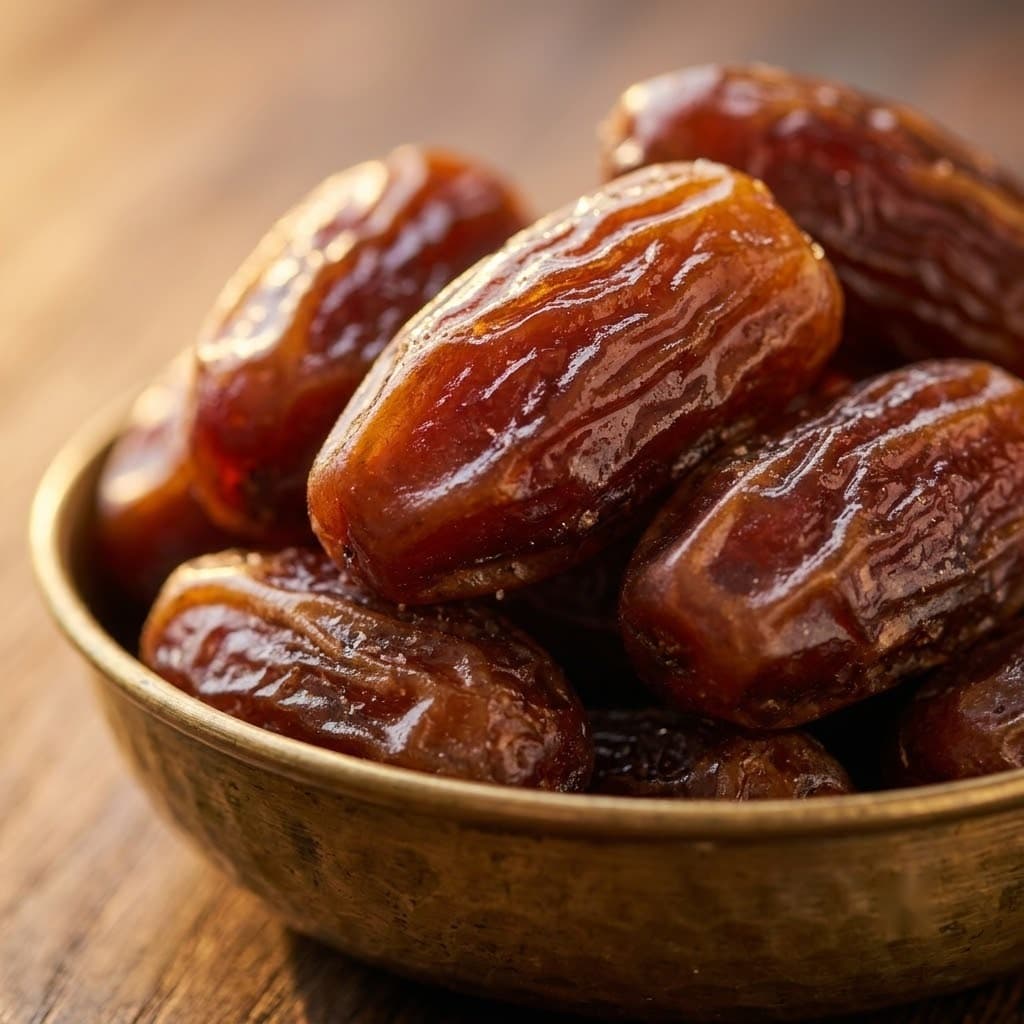
Dates have been a staple food across the Middle East and North Africa for thousands of years, and for good reason: they're calorie-dense, naturally sweet, and travel well in a way that fresh fruit rarely can. But a lot of what gets said about dates online veers into exaggerated superfood territory. Here's a grounded look at what's actually well-supported.
Dates are a genuinely good source of dietary fibre — a 100g serving contains roughly 6-8g, which supports digestion and helps you feel fuller for longer. They're also rich in potassium, an electrolyte most people don't get enough of, and contain smaller amounts of magnesium, copper and manganese.
Because dates are naturally sweet from fructose and glucose, they're a reasonable swap for refined sugar in baking or smoothies — you get sweetness plus fibre and micronutrients, rather than sugar alone. That said, dates are still calorie-dense and high in natural sugar, so portion still matters, especially if you're managing blood sugar.
What we'd push back on is the idea that any single food is a "cure" for anything. Dates are a nutritious, satisfying way to eat something sweet — that's a solid claim on its own, without needing to overstate it.
A simple way to eat them: stuffed with a single almond or walnut, they make a better afternoon snack than most packaged alternatives — which is exactly why they're a Ramadan iftar staple across the Arab world, traditionally eaten to break the fast alongside a glass of water or milk.
Ready to taste the difference?
Shop the collection